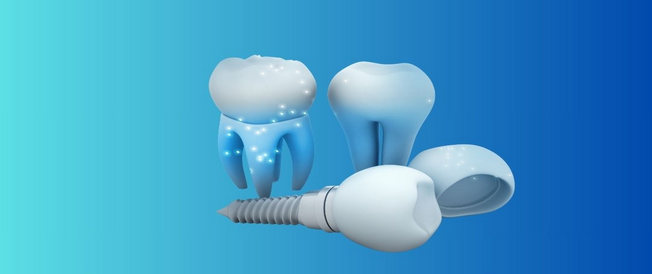
Confusion pops up for lots of people when they look at tooth caps versus dental crowns. Same idea, really – dentists tend to use both words like they’re interchangeable. Yet price tags differ. Materials shift, too. Knowing how much a tooth cap cost can make planning easier down the line. Straight facts help choices land clearly, without surprise bills later on.
Covering a broken tooth often means fitting a cap. This boost helps it handle chewing again while changing how it looks. When rot, breaks, or inner repairs take place, professionals suggest one.
What is a tooth cap?
Covering a tooth entirely, a cap shields what’s broken underneath. Because it fits snugly, the shape returns close to normal. Matching your smile happens by careful choices in colour and form. Protection comes along quietly, hidden under everyday chewing.
Caps make it easier to chew, while helping you speak more clearly. The way a person smiles often looks better once these are added.
What is a dental crown?
Covering a damaged tooth is what a dental crown does, much like a cap would. When strength matters, protection follows. Depending on where in the mouth it sits, the material changes. Some choices fit better in certain spots than others.
Crowns hold things together for a very long time. Because they’re there, teeth stay in line and work as they should.
Why does the cost of a tooth cap differ per patient?
Pricing shifts based on more than one thing. What it’s made of matters most. Crowns built from ceramic cost differently than those formed in metal or shaped from zirconia.
Certain spots in your mouth change what you pay. Up front, where smiles show, prettier stuff usually goes – this can run higher. Farther back, the job shifts toward tougher builds meant to last.
What materials influence crown pricing?
Starting off, what you pick changes both price and how well it works. A crown made of ceramic looks just like real teeth. On the flip side, metal ones handle wear much better. Lasting long often means going with something tough.
Zirconia crowns teeth hold up well while looking natural. Pricier tags come from high-end methods used to make them. When people explore crown choices, material differences matter a lot.
How does treatment complexity affect cost?
A single small issue usually means a lower price tag. When teeth are badly hurt, more steps often follow. Fixing the inside of a tooth adds to the total. So does reinforcing weak areas before repair.
Before suggesting care, dentists look closely at every situation. Getting things right means prices reflect what’s needed.
Does location affect pricing?
Out here in cities, dental care sometimes costs extra. That bump in price? Often tied to rent, wages, and lights staying on. Where people live shifts what they pay – busy spots tend to see steeper fees. Skill level matters too, but so does how many folks are looking for appointments nearby.
Before choosing, patients might look at different choices. Clear prices mean no surprise fees later.
Crowns – do they pay off in the long run?
A cap fits snugly over a worn tooth, shielding it for years. Because it blocks extra damage, fewer visits happen down the line. That way, your own tooth stays in place longer.
For lots of people, dental crowns pay off over time. Not only do they help teeth work better, but smiles often look stronger too.
How can patients manage treatment costs?
Out of sight doesn’t mean under control – budgets need planning. Before any procedure begins, get every charge spelled out. Choices in materials? They shape both price and performance.
Fewer big procedures pop up when teeth get consistent attention. Over time, skipping problems costs more than handling them early.
Picking a tooth cap means thinking about cost first. Crowns do what caps do – fix teeth quietly. Price shifts based on where you live, how hard the job is, plus what it’s made of. When people look at those pieces closely, choices get clearer. Lasting strength comes from good habits after placement, boosting overall mouth health without fuss.
Start fixing your smile today. Reach out to ProSmiles Dentist in Collingwood for a check-up. One visit could make a real difference.