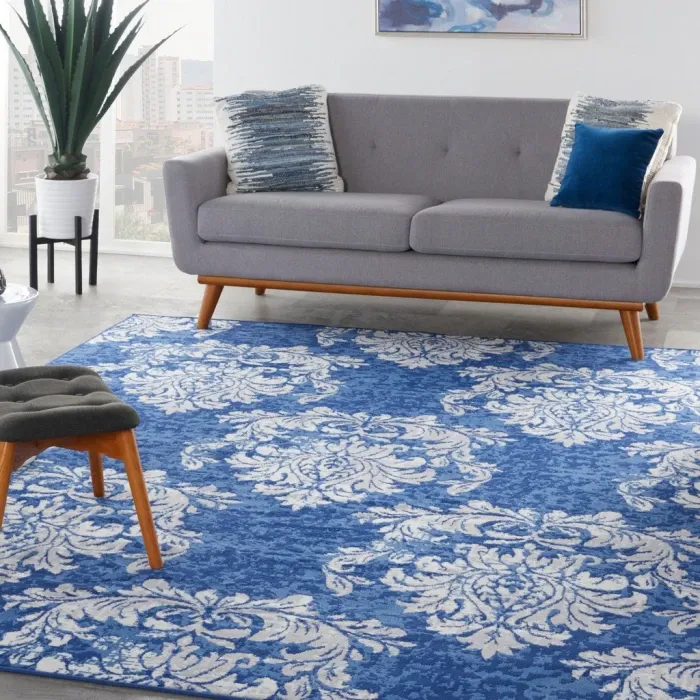
Buying a rug is easy. Choosing one that still works with your home several years later takes a little more thought. Trends change, furniture moves, rooms get repainted, and family needs evolve. A rug that looks perfect today should ideally remain useful even when the rest of the room changes.
That is why long-term value matters just as much as color or pattern. The best choice is one that suits your lifestyle, complements your space, and offers enough design flexibility to stay relevant over time.
Start With Colors You Can Live With
When considering Nourison rugs, begin with colors that already appear naturally in your home. Neutral tones such as beige, gray, cream, blue, or soft brown are often easier to coordinate over the years. They can work with different furniture styles and allow you to refresh the room through smaller accessories instead of replacing the rug.
That does not mean you need to avoid bold colors. If you genuinely enjoy a stronger shade, it can still be a good long-term choice. The key is to select a color because you like it, not simply because it is trending at the moment.
Choose Pattern With Future Changes in Mind
Pattern affects how adaptable a rug will be. A highly specific design can become the main feature of a room. That works well when you want the rug to lead the décor. Softer or more balanced patterns may provide greater flexibility if you plan to update furniture or wall colors later.
Before buying, imagine the rug with a different sofa or new curtains. If it still feels suitable, it is likely to offer better long-term versatility.
Some useful questions to ask include:
- Would this pattern work with different furniture?
- Does it suit more than one room in the home?
- Will I still enjoy this design after current trends change?
- Is the pattern too dependent on one specific color scheme?
These simple checks can help prevent an impulsive purchase.
Consider Safavieh Rugs for Flexible Decorating
When exploring Safavieh rugs, think about how easily the rug could adapt if the room changes over time. A rug that works with several decorative styles can be easier to keep for longer. For example, a design with a balanced pattern or versatile color palette may continue to suit the room even after you replace furniture or update accessories.
This is especially useful for homeowners who enjoy making smaller seasonal changes. Instead of replacing major pieces, you can refresh cushions, curtains, artwork, and lighting while keeping the same rug as the foundation of the room.
Match the Rug to Everyday Life
A rug should suit the way your household actually uses the space. A formal sitting room may have different requirements from a family living room, dining area, or hallway. Consider foot traffic, children, pets, and furniture movement before making the final decision. A rug that requires more care than your lifestyle allows may become frustrating over time. Practicality should be part of the buying process from the beginning.
Think about:
- how frequently the room is used
- whether shoes are worn indoors
- whether children or pets use the space
- how often cleaning may be required
- whether furniture will regularly move across the rug
Choosing according to real daily habits makes the rug easier to enjoy.
Get the Size Right From the Beginning
A well-sized rug is more likely to remain useful over time. If a rug is too small, it can make a room feel unfinished. If it is too large, it may limit how furniture can be rearranged. Measure the space carefully and consider several possible layouts before choosing.
For living rooms, a rug should normally help connect the main seating pieces. In dining rooms, it should allow chairs to move comfortably. In bedrooms, it should provide enough coverage to create a soft and balanced appearance around the bed. Correct sizing gives you more flexibility if the room layout changes later.
Care for the Rug Consistently
Long-term appearance also depends on regular maintenance. Vacuuming according to the rug’s care guidance can help reduce dirt buildup. Rotating the rug from time to time may also help distribute foot traffic and sunlight more evenly where practical.
If a spill occurs, follow the care instructions for that specific rug rather than using a general cleaning method. Different fibers and constructions can respond differently to moisture and cleaning products. A suitable rug pad can also help keep the rug stable and provide an additional layer between the rug and the flooring.
Avoid Buying Only for a Current Trend
Trends can provide useful inspiration, but they should not make the entire decision for you. A rug is often kept much longer than cushions, decorative objects, or seasonal colors. Before purchasing, ask whether you would still enjoy the design if it were no longer featured in magazines or social media posts. A timeless choice does not have to be plain. It simply needs to reflect your personal taste rather than a short-lived trend.
Conclusion
Choosing a rug for long-term use requires more than finding an attractive design. Color, pattern, size, daily use, maintenance, and decorating flexibility all matter. The best rug should fit naturally into your home today while still leaving room for future changes. By focusing on your own style and lifestyle rather than temporary trends, you can make a choice that remains practical and visually appealing for years.A thoughtful rug purchase can become a lasting part of the room instead of something that needs replacing every time the décor changes.