
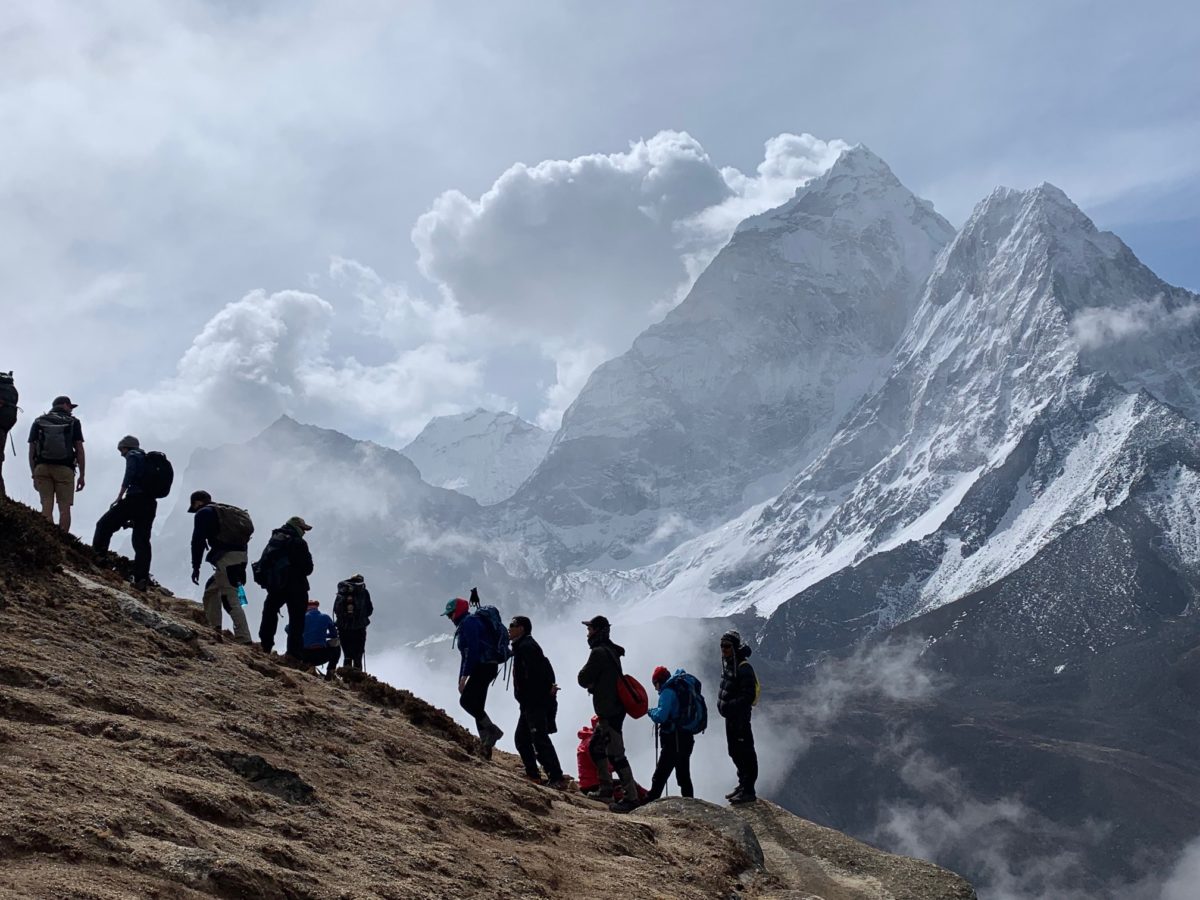
Overview at a Glance This is one of the world’s great destination treks, drawing walkers with the dream of standing in the shadow of Earth’s highest mountain. But the trek to Everest Base Camp is well mapped, and planning out your itinerary for how long you’ll take there is one of the most important choices you will make. How long your trek is will affect acclimatization, comfort, and overall experience.
A perfect itinerary for the Everest Base Camp Trek allows the tourists to explore the giant mountains, visit awesome Sherpa villages, and have a proper acclimatization process. The best trekking duration you select depends on the fitness of your personal choice, available trekking experience, and personal travel targets.
The Everest Base Camp trek duration matters.
The second part of the trip is how high-altitude the area is and for your body to adjust. Actually the trail is not a hiking trail per se: it is well identified and always goes up, with all different heights and topographic characteristics (mine was lazy until I got more than 5000 meters close to the Everest Base Camp location). The shorter the itinerary, the more strenuous it will be and the less time to adapt. If you have a longer itinerary, you usually will have more time to relax and take your pace. The knowledge of duration also helps trekkers in choosing a plan for the Everest Base Camp Trek according to their stamina and anticipation.
Choosing a Standard Everest Base Camp Trek Itinerary
The average Everest Base Camp Trek generally offers around 14 days from reach to leave, with 11-12 days of genuine trekking. The longest of these also happens to be a favorite, as you can spend plenty of time acclimating and exploring; you’re also on an excellent schedule. They can take it easy through Namche Bazaar, Tengboche, Dingboche, Lobuche, and Everest Base Camp. The gradual nature of this pace also permits travelers to take in Himalayan vistas while limiting the potential for altitude-related difficulties. This schedule size is great for first-time trekkers, providing the right combination of adventure and security.
Opting for a Short Everest Base Camp Trek
A 7-day Everest Base Camp Trek itinerary is more popular among many travelers who have a very limited vacation time. Fast itineraries, or using a different mode of transport, can shorten the number of trekking days. These itineraries, while time savers, also require greater physical preparation because the distances to walk in one day can be longer. This is for more experienced climbers used to the rigors of higher elevations or old trekkers. However, for shorter distances, travelers must be cautious about how easily they can manage the anxiety of quick travel.
Reasons to Add Extra Days on Your Everest Base Camp Trek
A longer itinerary gives you time to enjoy it. Extra days give trekkers a chance to enjoy villages, photography breaks, and soak up the mountain environment. They are best for first-timers and slow-movers. More time also gives you some leeway if the weather piles on delays along the way. The vast majority of shorter-distance trekkers would naturally opt for a slower pace, but this means they experience the landscape and local culture far more intimately.
Assessing Your Physical Condition and Hiking Experience
It is a lot when it comes to picking the right itinerary length for the Olympic Base Camp Trek and how fit you are one can manage. More advanced trekkers who are fit can even go a little faster. Itineraries that are longer and more gradual in their daily elevation increases will assist newbies or travelers who don’t make hiking a regular habit. A little pre-trail training always boosts your confidence and makes this kind of trail a little easier to tackle. Selecting the period according to your physical condition is one of the secrets to having an extraordinary experience in the Himalayas.
Why We Have Acclimatization Days
Another factor that may govern the time period of the Everest Base Camp Trek is acclimatization. In contrast, though, past Namche Bazaar, where the altitude increases, it takes longer for the body to acclimatize. The better-designed ones offer rest days—or acclimatization days—at significant points along the trekking routes to give trekkers time to adjust safely to the rigors of their journey. The days are never wasted, but rather expand trekking skills with opportunities to see local sites and villages. That results in more comfort and safety on the way when you make your itinerary with an accurate acclimatization.
Matching the Length of a Trek to Travel Objectives
Different travelers have different reasons for choosing the Everest Base Camp Trek. Others care only about summit success in the timeliness allowed for a challenge over a few weeks; others enjoy photographic experiences, cultural opportunities, and mountain experiences. If you feel that travelers want something more, with a Sherpa village, monastery, and viewpoints, it could make sense to allocate an extra day or two. Those who want to save time may check out for the getting to Everest Base Camp times limit themselves. From a personal level, knowing what you want allows you to determine an appropriate length.
Considering Weather and Seasonal Conditions
The parameter that can be influenced by the weather is how long a trek you will make for Everest Base Camp. Weather is typically more settled at certain times of year (so, in terms of trekking, high season would generally be spring and autumn), so this obviously improves the pace to make progress. Although the weather will probably behave as expected, Mountain conditions can change in an instant; additional time allows for some leeway. If, say, a longer route creates a delay because of weather, then there are more options available. Tracking according to season here allows trekkers to choose the ideal time schedule plan and avoid strain during the trek.
Balancing Budget With Trekking Comfort
How long is an Everest Base Camp trek? More affordable than a lengthy or shorter road trip, time would involve additional lodging, food, and also the support of an intermittent travel guide. However, most inexpensive isn’t the only thing, as ease and protection are also among them. A stepwise itinerary provides trekkers with the experience of that journey. A sensible budget also helps in deciding the appropriate length without compromising on any brave fundamentals.
Seek Guidance From an Experienced Trekking Specialist
By choosing professional trekking guides, you can make the right decision about how long your itinerary will be for Everest Base Camp Trek. Skip the research—nothing compares to local knowledge of trail conditions, altitude challenges, seasonal variation, and realistic travel schedules. They can recommend sensible, suitable options based on your fitness level, how experienced you are, and the time you have at your disposal. Tentative trekkers can avoid opting for a very demanding or unsuitable itinerary for travel details. Consultants/experts offer trekkers the trek, which is very severe in regard to those heights. Get a better plan to make sure you have a safe, pleasant, and wonderful Himalayan trip.
In Summary: How To Decide The Perfect Length Of Your Everest Base Camp Trek
Next comes the crucial step in a Himalayan adventure, which is to choose the right Everest Base Camp Trek itinerary length for yourself! You adjust at your own pace, walk easily, culturally travel, and make ‘mountain areas’ While shorter itineraries are designed for veterans who may be short on time, longer schedules provide a more leisurely pace, which many trekkers say is a more rewarding experience. Considering factors such as fitness level, travel goals, weather, and individual preferences, virtually every traveler can find a fitting Everest Base Camp Trek itinerary while savoring the magnificent beauty of the region surrounding Everest.
